So, you have a brilliant idea for a fashion brand—congratulations! You’ve envisioned the designs, the aesthetic, maybe even the name. But now you’re asking yourself, “Where do I start?” The fashion industry can seem daunting, especially for startups. From sourcing materials to finding the right factory, the journey from idea to product can be overwhelming. But don’t worry, I’m here to guide you through the initial steps of turning your dream into reality.
1. Define Your Brand Identity
Before you dive into production, it’s crucial to have a clear vision of your brand identity. This isn’t just about your logo or color palette—it’s about your brand’s story, values, and the unique value proposition you offer. Ask yourself:
- What makes my brand unique?
- Who is my target audience?
- What are my brand’s core values?
A strong brand identity will not only guide your design process but also help you communicate more effectively with potential partners, including factories and suppliers.
2. Research and Develop Your Product
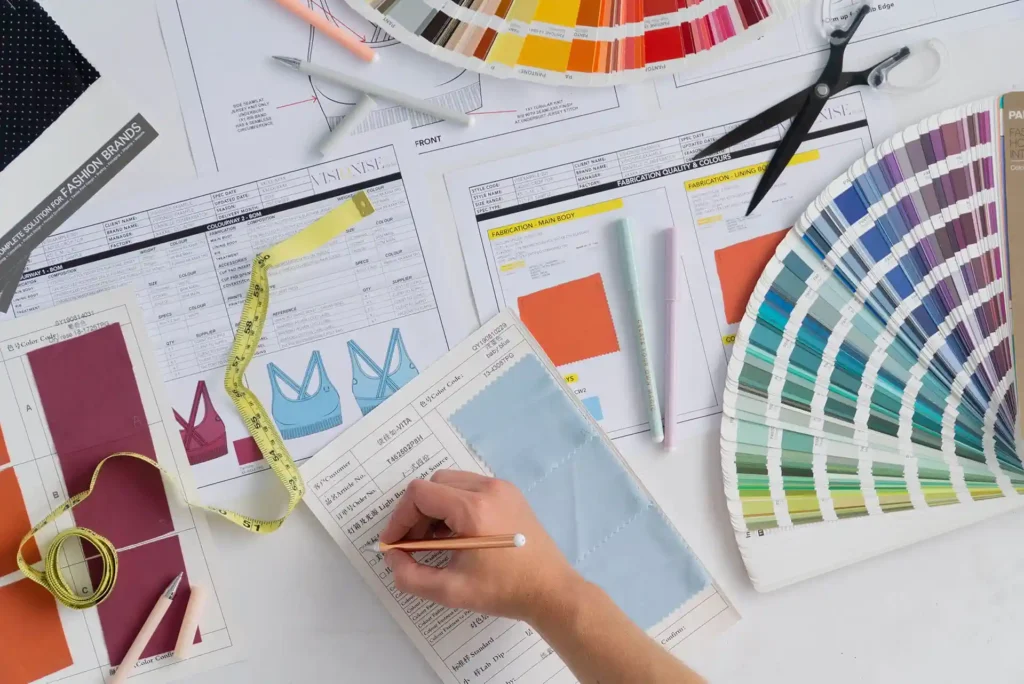
Once your brand identity is clear, it’s time to focus on product development. Start by sketching your designs and then move on to creating technical sketches or tech packs, which detail the specifications of each garment. This includes measurements, materials, colors, and construction details.
But it’s not just about the design; you need to think about the materials you’ll use. Research fabrics and trims that align with your brand’s values and aesthetic. Sustainability is increasingly important in fashion, so consider eco-friendly options if that aligns with your brand.
3. Create a Prototype
With your designs and materials in hand, the next step is to create prototypes. This is where the fun begins! A prototype—or sample—will bring your design to life and allow you to see how it translates from paper to fabric.
This is also the stage where you’ll likely make adjustments to your design based on how the prototype looks and feels. Don’t be discouraged if it’s not perfect on the first try; sampling is a process, and revisions are part of it.
4. Find the Right Factory
Choosing the right manufacturing partner is one of the most critical decisions you’ll make. The factory you choose will be responsible for turning your designs into high-quality garments, so it’s essential to find one that aligns with your brand’s standards and values.
Here’s what to look for:
- Experience: Does the factory have experience producing similar garments?
- Quality Control: What quality control processes do they have in place?
- Ethical Practices: Do they follow ethical labor practices? This is increasingly important for consumers and can impact your brand’s reputation.
- MOQ (Minimum Order Quantity): Make sure their MOQ aligns with your production needs, especially as a startup.
Take the time to visit factories if possible, or at least communicate extensively with potential partners to ensure they understand your vision and can deliver the quality you expect.
5. Understand the Production Process
Understanding the production process is crucial, especially when working with a factory. You’ll need to be familiar with the different stages, including:
- Pattern Making: Turning your design into a pattern that can be used to cut the fabric.
- Grading: Adjusting the pattern to create different sizes.
- Cutting and Sewing: The actual production of the garments.
- Quality Control: Ensuring each piece meets your quality standards before it’s shipped.
Each step requires careful oversight to ensure the final product meets your expectations.
6. Plan for Production and Scaling
Before you place your first order, plan for production and scaling. Start small to minimize risk—produce a limited run to test the market. This will give you valuable feedback and allow you to make any necessary adjustments before scaling up.
Also, consider your distribution strategy. Will you sell directly to consumers online, or will you also look for retail partners? Each approach has different implications for production volumes and timelines.
7. Budgeting and Financial Planning
Budgeting is a crucial part of starting any business, and fashion is no exception. You’ll need to consider the cost of materials, sampling, production, shipping, marketing, and more. Make sure you have a financial plan in place and explore funding options if necessary.
8. Launch and Iterate
Once you’ve gone through the production process and have your products in hand, it’s time to launch! Use the feedback from your initial launch to iterate on your designs, processes, and branding. The first collection is just the beginning—building a successful fashion brand is an ongoing process of learning, adapting, and growing.
Starting a fashion brand is a thrilling journey, but it comes with its challenges. By taking a strategic approach—defining your brand identity, developing your product, finding the right partners, and understanding the production process—you can navigate the complexities of the industry with confidence.
Remember, every successful fashion brand started where you are right now—with a dream and a lot of determination. With careful planning and the right guidance, your idea can become the next big thing in fashion.
Ready to take the next step? Whether you need help with sourcing, production, or navigating the complexities of working with factories, I’m here to help. Let’s turn your fashion brand idea into reality!