The fashion industry has long been scrutinised for its environmental impact, from excessive water consumption to harmful chemical use and wasteful production practices. However, as consumer awareness grows, so does the demand for more sustainable fashion. For new and established brands alike, embracing sustainable manufacturing is not just about reducing environmental impact—it’s also good business. Here’s how you can ensure your fashion brand is both low impact and commercially viable.
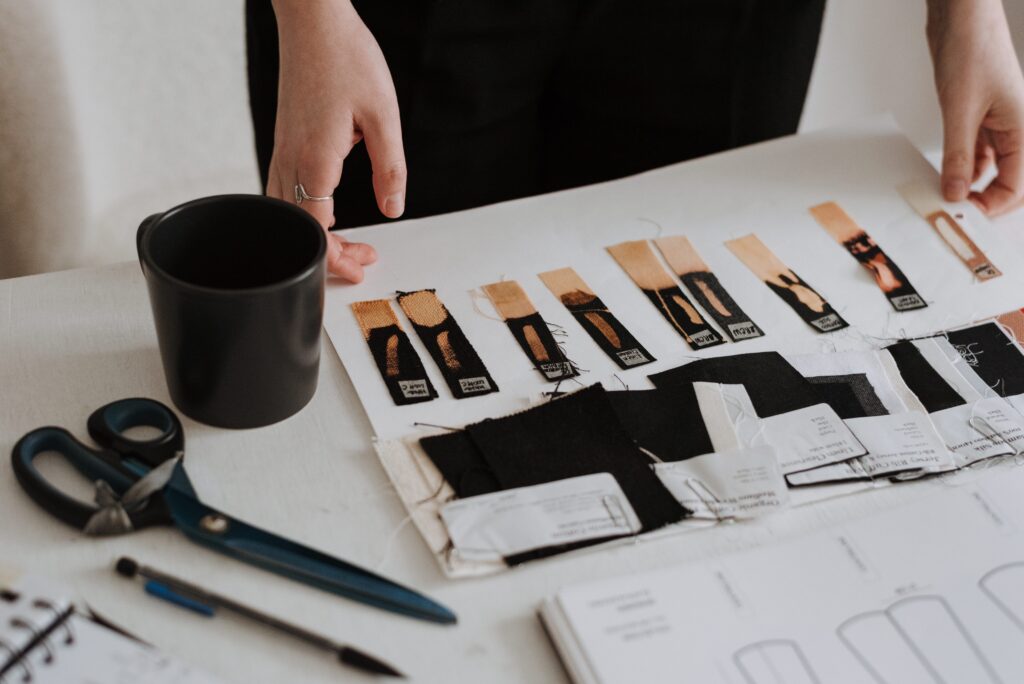
1. Understand the Impact of Your Materials
The foundation of sustainable manufacturing lies in the materials you choose. From the fibre to the final fabric, every step has an environmental footprint. Opting for sustainable materials is one of the most effective ways to reduce your brand’s impact.
Choose Sustainable Fabrics
- Organic Cotton: Unlike conventional cotton, organic cotton is grown without harmful pesticides and synthetic fertilisers, reducing soil and water contamination.
- Recycled Fibres: Fabrics made from recycled materials, such as polyester from plastic bottles or regenerated nylon, help divert waste from landfills and reduce the need for virgin resources.
- Bamboo and Hemp: These fast-growing plants require less water and fewer pesticides than traditional crops, making them a more sustainable choice.
Certifications Matter
When sourcing materials, look for certifications like GOTS (Global Organic Textile Standard), OEKO-TEX, and Fair Trade. These labels ensure that the fabrics meet rigorous environmental and social standards, giving your customers confidence in the sustainability of your products.
2. Optimise Your Manufacturing Process
Even the most sustainable materials can lose their impact if not processed and manufactured responsibly. Ensuring that your production process is as low-impact as possible is crucial for a truly sustainable brand.
Minimise Waste
- Efficient Pattern Cutting: Invest in technology that optimises pattern cutting to reduce fabric waste. Zero-waste pattern cutting techniques can significantly minimise offcuts, which often end up in landfill.
- Recycling and Upcycling: Implement recycling initiatives in your production facilities to ensure that any waste materials are repurposed. Upcycling scraps into smaller products or accessories can also add value to your collection while reducing waste.
Energy Efficiency
- Renewable Energy: Consider partnering with factories that use renewable energy sources, such as solar or wind power. This not only reduces carbon emissions but also aligns your brand with the growing demand for renewable energy.
- Energy-Efficient Equipment: Ensure that your manufacturing partners use energy-efficient machinery and processes, which can significantly lower the carbon footprint of production.
3. Prioritise Ethical Labour Practices
Sustainability isn’t just about environmental impact—it’s also about social responsibility. Ensuring that your products are made under fair and ethical conditions is crucial for building a brand that consumers can trust.
Fair Wages and Safe Working Conditions
- Audit Your Supply Chain: Regularly audit your supply chain to ensure that all workers are paid fairly and work in safe, humane conditions. Transparency in your supply chain not only protects workers but also enhances your brand’s reputation.
- Partner with Ethical Manufacturers: Choose manufacturing partners that prioritise ethical practices and have certifications like Fair Trade or SA8000. These certifications guarantee that the factories adhere to high social and labour standards.
Local Production
- Support Local Communities: Consider producing your garments locally or in regions known for their high labour standards. This can reduce transportation emissions and support local economies while ensuring ethical labour practices.
4. Adopt a Circular Economy Approach
A circular economy in fashion aims to keep products, materials, and resources in use for as long as possible, minimising waste and reducing the need for new resources. Adopting circular practices can make your brand more sustainable and offer new revenue streams.
Design for Longevity
- Durability: Design your products to last, using high-quality materials and construction techniques that stand the test of time. Longevity is a key aspect of sustainability, as it reduces the need for frequent replacements.
- Timeless Design: Focus on creating timeless pieces that won’t go out of style after a single season. This encourages consumers to keep and cherish their garments for longer.
Product Life Extension
- Repair Services: Offer repair services to extend the life of your products. This not only reduces waste but also builds customer loyalty.
- Take-Back Programmes: Implement a take-back scheme where customers can return old garments for recycling or upcycling. This encourages responsible consumption and keeps materials in circulation.
5. Communicate Your Sustainability Efforts
Being sustainable is one thing; communicating it effectively is another. Transparent and honest communication about your sustainability efforts can strengthen your brand’s relationship with consumers and set you apart in a crowded market.
Transparency is Key
- Supply Chain Transparency: Share details about your supply chain, including where and how your products are made. Consumers appreciate brands that are open about their processes, and this transparency builds trust.
- Clear Labelling: Use clear, honest labelling to inform customers about the sustainable features of your products. Avoid greenwashing by being specific and accurate about your claims.
Educate Your Customers
- Sustainability Education: Educate your customers about the importance of sustainability and how they can care for their garments to extend their lifespan. Providing information on the environmental impact of fashion can empower consumers to make more sustainable choices.
6. Balancing Sustainability and Profitability
One of the challenges of sustainable fashion is balancing ethical practices with profitability. While sustainable materials and practices can sometimes be more expensive, they can also offer long-term financial benefits.
Pricing for Sustainability
- Value Over Price: Position your brand to highlight the value of sustainability rather than competing solely on price. Educating consumers on why sustainable fashion may cost more can help justify higher price points.
- Efficiency Gains: Many sustainable practices, such as reducing waste and improving energy efficiency, can lead to cost savings over time. Investing in these areas can help offset the higher costs of sustainable materials.
Building Brand Loyalty
- Consumer Demand: As demand for sustainable fashion grows, consumers are increasingly willing to pay a premium for products that align with their values. By positioning your brand as a leader in sustainability, you can attract a loyal customer base that prioritises ethical and environmentally-friendly products.
- Long-Term Reputation: Sustainable practices contribute to a positive brand reputation, which can lead to increased customer loyalty, positive word-of-mouth, and a strong market position.
Final Thoughts
Sustainable manufacturing is no longer a niche consideration—it’s an essential aspect of building a successful and responsible fashion brand. By focusing on sustainable materials, optimising your manufacturing process, prioritising ethical labour practices, adopting a circular economy approach, and communicating your efforts transparently, you can ensure that your brand is both low impact and good business.
In a world where consumers are increasingly conscious of the environmental and social implications of their purchases, brands that embrace sustainability are better positioned to thrive. Not only will you contribute to a more sustainable future, but you’ll also build a brand that consumers trust, respect, and are proud to support.
Ready to make your fashion brand more sustainable? Let’s work together to create a brand that’s as good for the planet as it is for your bottom line.