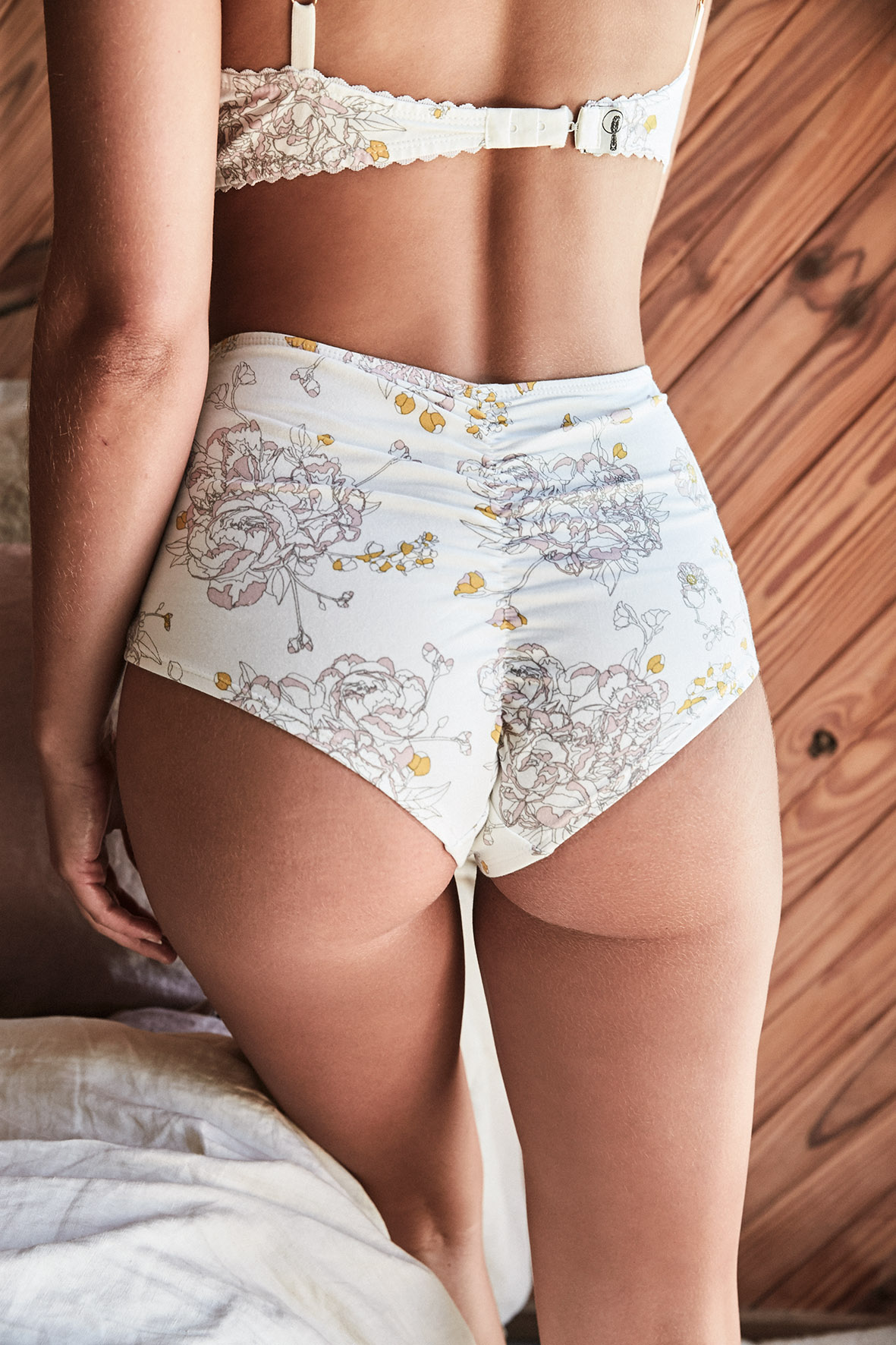
When launching a new fashion line, one of the most significant decisions you’ll face is where to manufacture your clothing. Should you produce your garments locally in Australia, or should you look abroad? Each option comes with its own set of advantages and challenges, and understanding these can help you make an informed decision that aligns with your brand’s values, budget, and business goals.
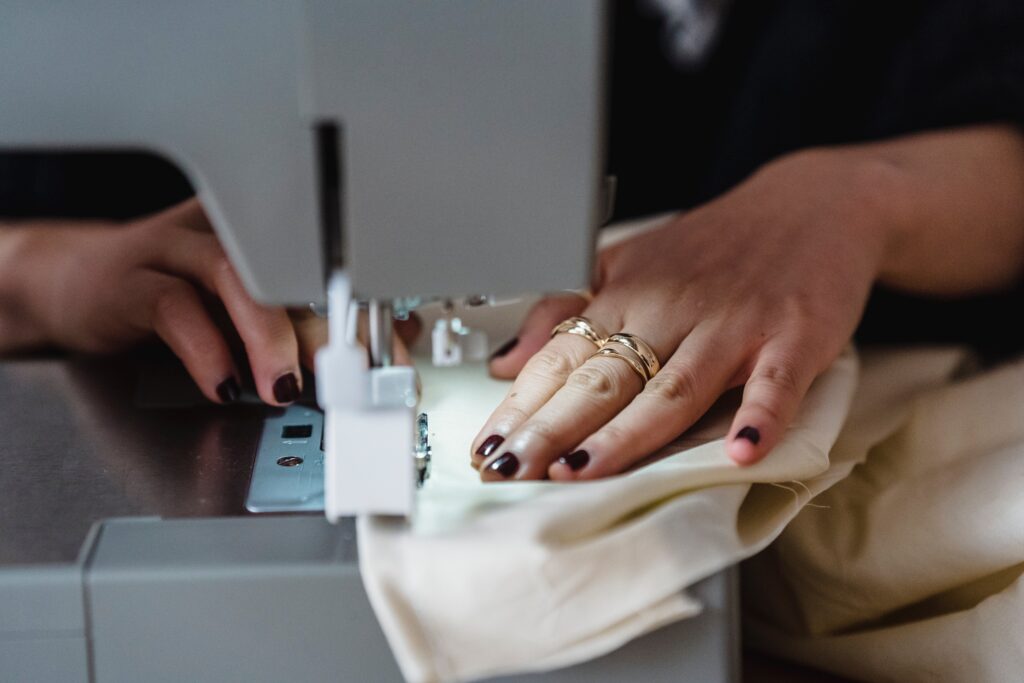
Manufacturing in Australia
Advantages of Local Manufacturing
- Quality Control and Oversight
Manufacturing locally in Australia allows you to maintain close oversight of the production process. You can visit factories easily, inspect production runs, and ensure that the quality of your garments meets your standards. This level of control can be crucial, especially for new brands still refining their processes. - Ethical and Sustainable Practices
Australian factories are generally held to high standards regarding labour laws and environmental regulations. By manufacturing locally, you can ensure that your products are made under ethical working conditions, and you can minimise your carbon footprint by reducing the need for international shipping. This is particularly important if your brand prioritises sustainability and ethical production. - Shorter Lead Times
Producing locally can significantly reduce lead times, allowing you to respond more quickly to market trends and customer demands. This agility can be a competitive advantage, especially in the fast-paced fashion industry. - Supporting Local Industry
By manufacturing in Australia, you’re supporting the local economy and helping to sustain the Australian fashion and textile industry. This can resonate with customers who value local craftsmanship and are willing to pay a premium for Australian-made products.
Challenges of Local Manufacturing
- Higher Costs
One of the most significant drawbacks of manufacturing in Australia is the cost. Labour and operational costs are generally higher compared to many overseas options. This can make it challenging to achieve competitive pricing, particularly if you’re targeting a price-sensitive market. - Limited Manufacturing Options
The Australian manufacturing sector is relatively small, which means there may be fewer options available for specialised production techniques or large-scale manufacturing. This can limit your choices when it comes to selecting a factory that meets your specific needs.
Manufacturing Abroad
Advantages of Overseas Manufacturing
- Lower Costs
Manufacturing overseas, particularly in countries like China, Bangladesh, or Vietnam, is generally more cost-effective. Lower labour and operational costs can help you achieve a higher profit margin or offer competitive pricing to your customers. - Access to Specialised Expertise
Many countries with large garment manufacturing industries have developed specialised expertise in certain types of clothing or production techniques. For example, China is known for its vast manufacturing capabilities, while Italy is renowned for high-quality craftsmanship in luxury garments. Depending on your product, this expertise can be invaluable. - Scalability
Overseas factories often have the capacity to produce large volumes of clothing, making it easier to scale your production as your brand grows. They can also offer a wider range of services, from fabric sourcing to full-package production, which can streamline your supply chain.
Challenges of Overseas Manufacturing
- Quality Control
Managing quality control from a distance can be challenging. Communication barriers, time zone differences, and the physical distance make it harder to monitor production processes and ensure consistency. This can lead to quality issues if not managed carefully. - Longer Lead Times
Manufacturing overseas typically involves longer lead times due to production schedules, shipping, and customs clearance. This can make it difficult to react quickly to changes in market demand or to replenish stock quickly. - Ethical Concerns
While many overseas factories operate ethically, there have been well-documented cases of poor working conditions and environmental practices in some regions. Ensuring that your manufacturing partners meet ethical standards requires thorough research and regular audits, which can be time-consuming and costly. - Logistical Complexity
Coordinating international shipping, dealing with customs regulations, and managing currency fluctuations add layers of complexity to your operations. These factors can impact your timelines and costs, requiring careful planning and risk management.
Hybrid Approach: The Best of Both Worlds?
Some brands choose a hybrid approach, where they produce certain collections or smaller runs locally and their larger, more cost-sensitive lines abroad. This allows them to enjoy the benefits of both local and international manufacturing. For example, you might choose to manufacture your core collection overseas for cost-efficiency, while producing limited-edition items or sustainable lines locally to maintain a strong ethical stance and appeal to a particular market segment.
Final Thoughts
Choosing where to manufacture your clothing is a critical decision that will impact your brand’s quality, cost structure, and ethical positioning. Whether you opt for local production in Australia, overseas manufacturing, or a combination of both, it’s essential to weigh the pros and cons carefully against your brand’s values, goals, and budget.
Remember, there’s no one-size-fits-all solution. What works best for your brand will depend on your unique needs, resources, and the message you want to convey to your customers. Take the time to research your options, visit potential factories, and consult with industry experts if needed. Making the right choice now can set the foundation for a successful and sustainable fashion brand in the future.
Need help navigating the complexities of manufacturing for your new fashion line? I’m here to guide you through the process, ensuring you make informed decisions that align with your brand’s vision and goals. Let’s get started on turning your ideas into reality!